pilot-scale bulk-manufactured materials certified raw material products
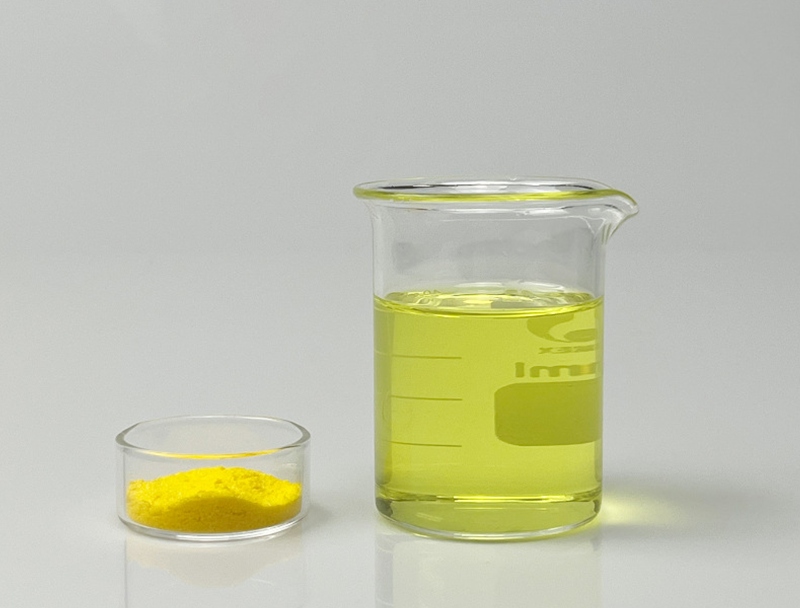
Industrial biosynthesis counts extensively on an extensive collection of biomass sources to create novel bio-derived items.
Protecting sustainably sourced materials is vital for future-proofing and moral progress in biomanufacturing.
several issues arising from typical material sourcing such as soil erosion and unchecked resource extraction. Accordingly, manufacturers should embrace green sourcing tactics to shrink their ecological impacts.
- Cases of responsible feedstock strategies feature:
- Integrating compostable agricultural waste into supply chains
- Deploying circular process designs to reduce discard and boost reuse
- Connecting with nearby vendors prioritizing responsible supply
Adopting sustainable feedstock strategies yields environmental wins alongside fiscal sustainability.
Upgrading Feedstock Traits for Better Biofuel Performance
Raising biofuel yields involves refining feedstock structure and content. Research teams persist in studying techniques to boost feedstock performance, delivering enhanced conversion and a more resilient energy mix. Approaches include genomic enhancements to boost biomass growth and processing methods to convert complex lignocellulose into fermentable sugars.
- Concurrently, efforts examine seaweed, industrial byproducts, and crop residues to increase the variety of renewable feedstock alternatives for fuel production.
- By means of ongoing innovation the biofuel sector can achieve substantial advances soon, shaping a cleaner energy future.

Biopharmaceutical Production: Innovations in Upstream Processes
involves foundational activities from cultivation to biomass harvest Ongoing innovations have accelerated process enhancement leading to greater yields.
Salient improvements involve specialized expression hosts, fine-tuned media strategies, and next-gen bioreactor concepts. Such breakthroughs boost efficiency and simultaneously reduce manufacturing costs and carbon burdens.
- Concurrently, continuous manufacturing approaches bring amplified flexibility and more consistent upstream outcomes.
- Embracing sophisticated manufacturing strategies is poised to change industry norms and shorten development cycles.
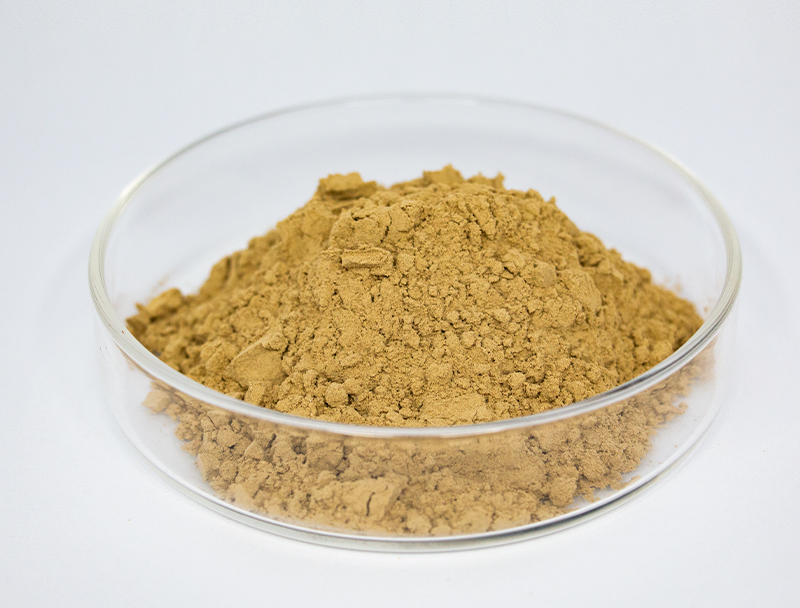
Precision Genomic Tools Enhancing Biopharmaceutical Yields
breakthroughs in precise gene modification systems have reshaped biopharma production. With exact genomic alterations, researchers improve host productivity for therapeutic manufacture. The technique provides opportunities to manufacture economical, high-yield therapeutics for varied indications.
Leveraging Microbes to Tackle Environmental Pollution
cutting-edge microbial approaches that remediate contamination sustainably. Microbial communities can biotransform hazardous materials into lower-risk substances. Tapping into these capabilities enables green remediation tactics to restore ecosystems affected by industrial contamination.. Scientists evaluate varied microbes for potential to remediate metal contaminants, pesticide compounds, and oil-derived pollutants.. They can be integrated into bioreactor platforms or introduced in the field to stimulate microbial breakdown L-arginine-α-ketoglutaric acid of hazardous compounds..
The use of microbial biotechnology in bioremediation offers several advantages over conventional methods. The approach tends to lower treatment costs and avoids producing toxic residuals. Also, microbial interventions offer targeted remediation that minimizes collateral ecosystem disturbance. Research efforts persist to upgrade the potency and implementation of microbial remediation strategies.
Informatics-Driven Strategies for Drug Design
Advanced informatics contributes significantly to today’s drug research environment. From predictive screening to lead refinement, computational biology underpins more efficient drug pipelines.
- Through evaluating comprehensive genomic, proteomic, and clinical data, teams detect novel targets and predict drug action.
- Concurrently, virtual screening and simulation shape the development of more effective therapeutics.
- In the end, informatics-driven methods streamline development and accelerate delivery of therapeutic solutions to patients.
Engineering Cellular Pathways for Improved Bioproduct Output
employs a variety of strategies to augment the synthesis of valuable bioproducts within microorganisms. Methods might combine targeted gene changes to rechannel flux, regulatory element design to control expression, and exogenous gene introduction to provide fresh capabilities.. Through careful adjustment of metabolic routes engineers can markedly elevate product titers.
This comprehensive strategy could transform numerous sectors such as pharmaceuticals, farming, and renewable energy.

Barriers and Benefits When Expanding Biopharmaceutical Manufacturing
Commercializing biopharma production involves significant constraints and promising benefits. Keeping consistent product performance at elevated volumes is a significant challenge. Managing it necessitates robust automation, high-fidelity monitoring, and powerful analytical capabilities.
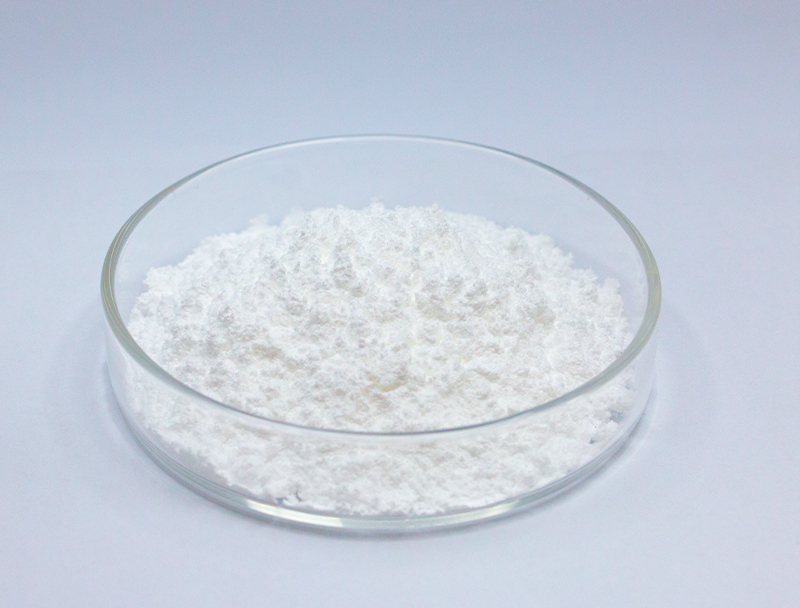
Additional complexity arises because biopharma production entails many coordinated stages.. Optimizing these processes for large-scale production can be a complex undertaking, requiring extensive research and technological innovation.. Nonetheless, the advantages can be major. Effective scale-up may expand patient access to therapies, cut unit costs, and improve margins.
Multiple programs focus on resolving scale-up difficulties. Examples include novel optimization technologies, predictive analytics for real-time control, and inventive production models.
- R&D initiatives significantly drive enhancements in manufacturing capacity.
- Regulatory frameworks are being optimized to accommodate novel production technologies and promote innovation.
Regulatory Strategies for Biopharma Compliance and Patient Protection
Bringing biologics to market involves rigorous regulation designed to protect patients and confirm therapeutic benefit. Living-source therapeutics present distinct obstacles in regulation and production relative to classical drugs.
Organizations like the FDA and EMA provide essential guidance and set standards for authorizing novel biotherapeutics..
Strict validation and testing steps are required across the product lifecycle from lab studies to post-market oversight.. Those requirements help reveal risks and confirm that biologics satisfy stringent safety criteria..
Similarly, regulators iteratively adjust approaches to accommodate emerging biopharmaceutical breakthroughs.. This includes embracing novel technologies and facilitating the development process while maintaining a commitment to patient well-being.

Plant-Based Biomass Options for Bioplastic Manufacturing
The expanding market for green materials prompts increased R&D into bio-based solutions. Bioplastics produced from plant biomass form a compelling option for lowering environmental footprint. Sources like cornstarch, cellulose fibers, and sugarcane biomass can transform into compostable plastics that decompose and reduce pollution.
Moreover, bioplastics can mirror key properties of fossil-derived plastics and fit diverse application needs.. Ongoing R&D is essential to scale plant-based bioplastics and realize circular economic benefits.
Emerging Biotech Solutions for Health and Food Security
Biotechnology offers potent solutions for advancing public health and enhancing food security. By harnessing genetic engineering, synthetic biology constructs, and advanced cell therapies, technologists deliver capabilities to reduce disease burden, raise crop outputs, and increase food value. To illustrate, modified plants designed for pest resilience and environmental tolerance can raise outputs and reduce pesticide application.. Concurrently, biotechnology drives development of immunotherapies, antibiotics, and diagnostics that play a key role in controlling diseases and improving health metrics. Looking forward, continued biotech progress promises to deliver therapies and agricultural solutions that support health and sustainability worldwide.
 5-Aminolevulinic acid